
Pear Cut Engagement Rings

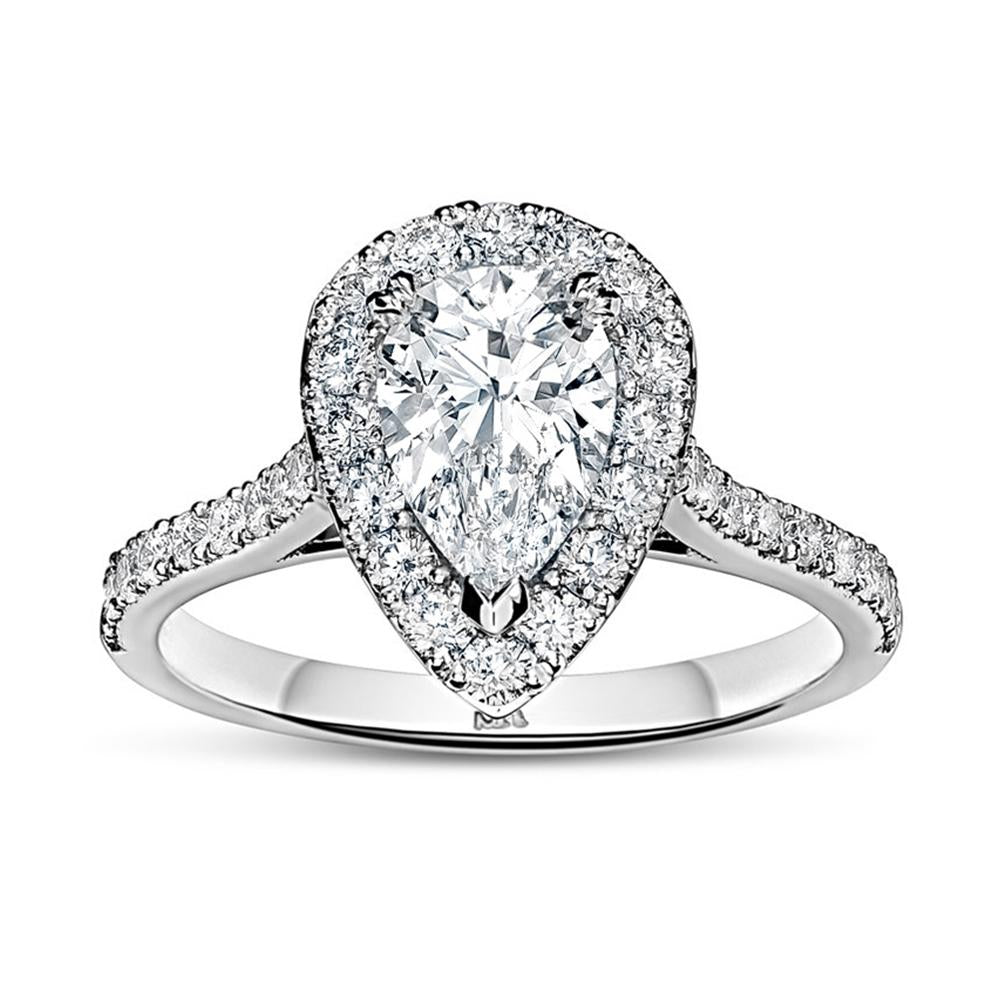

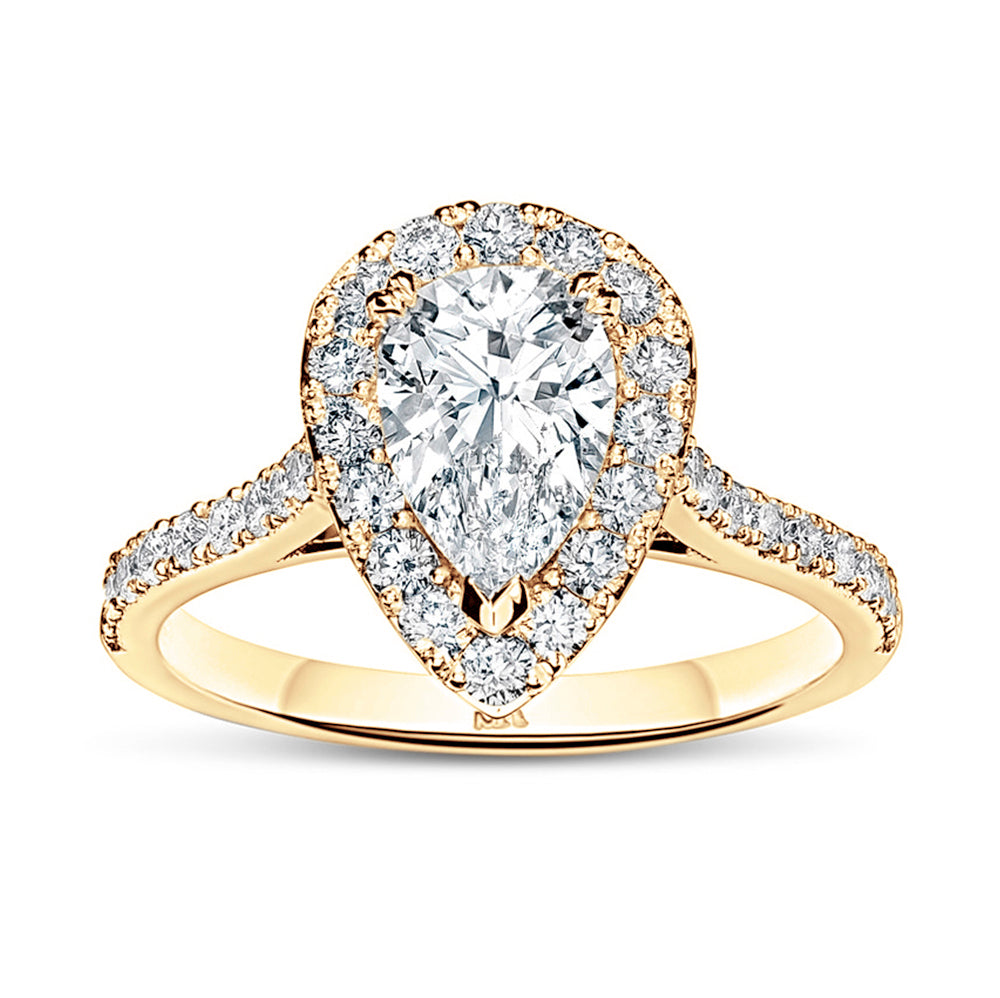

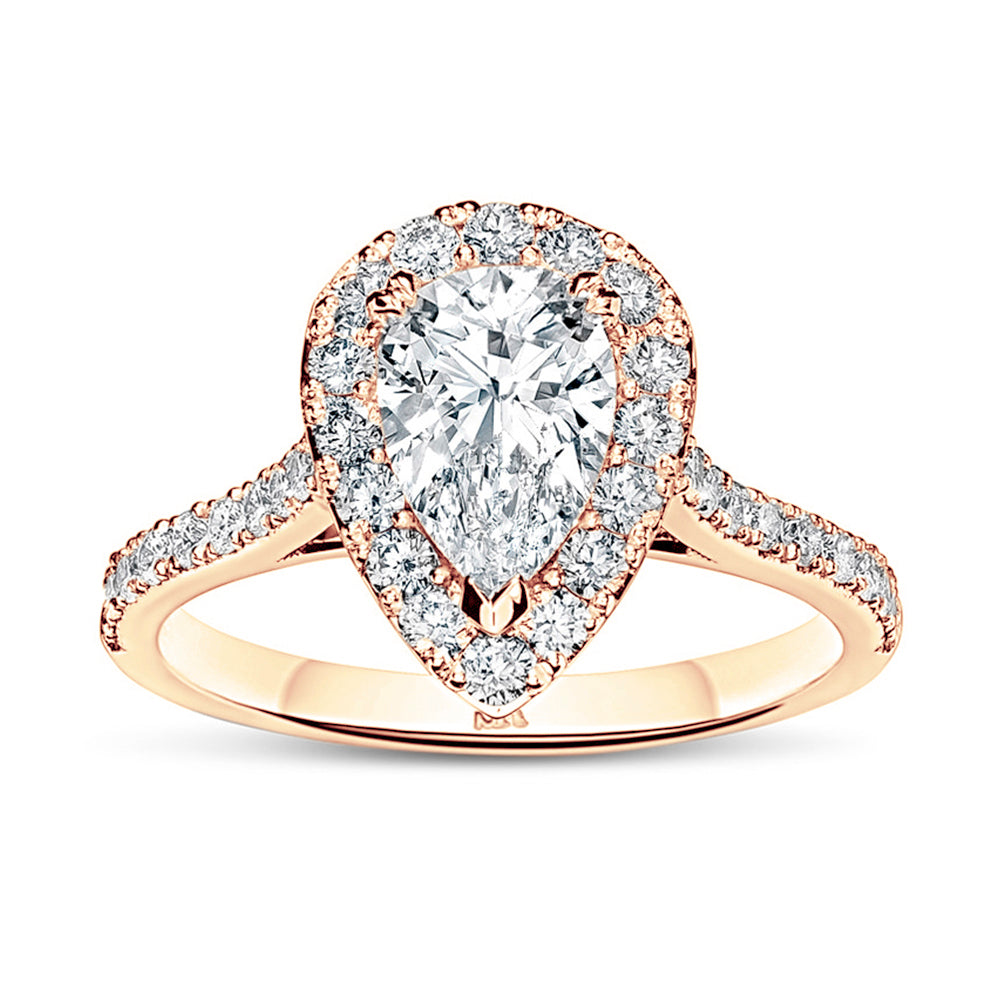

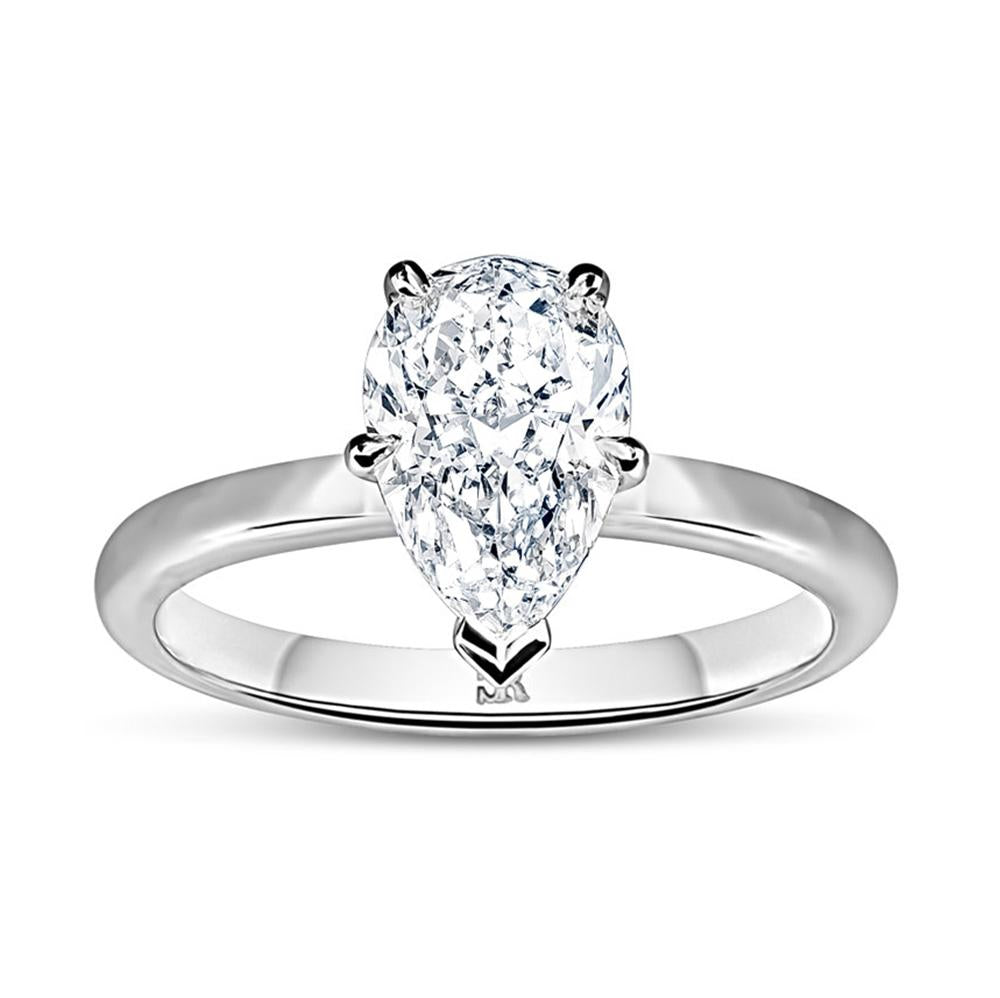

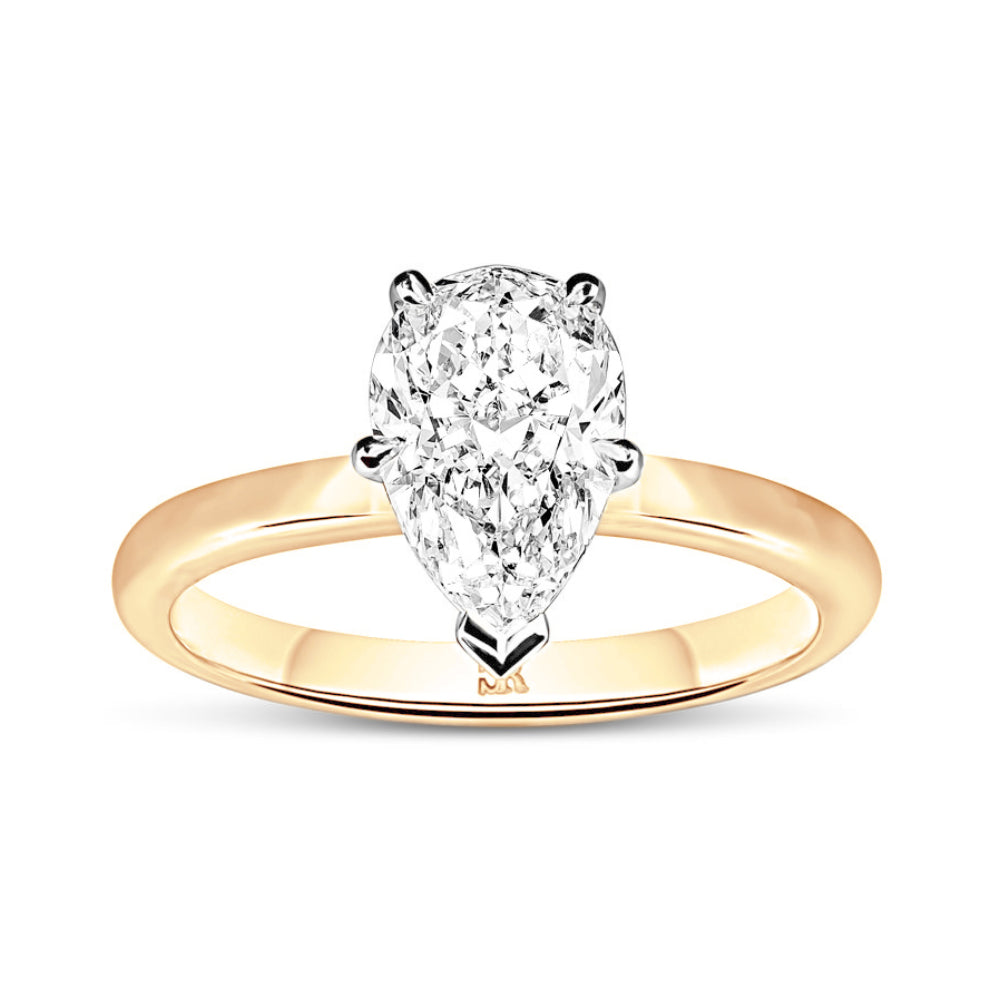

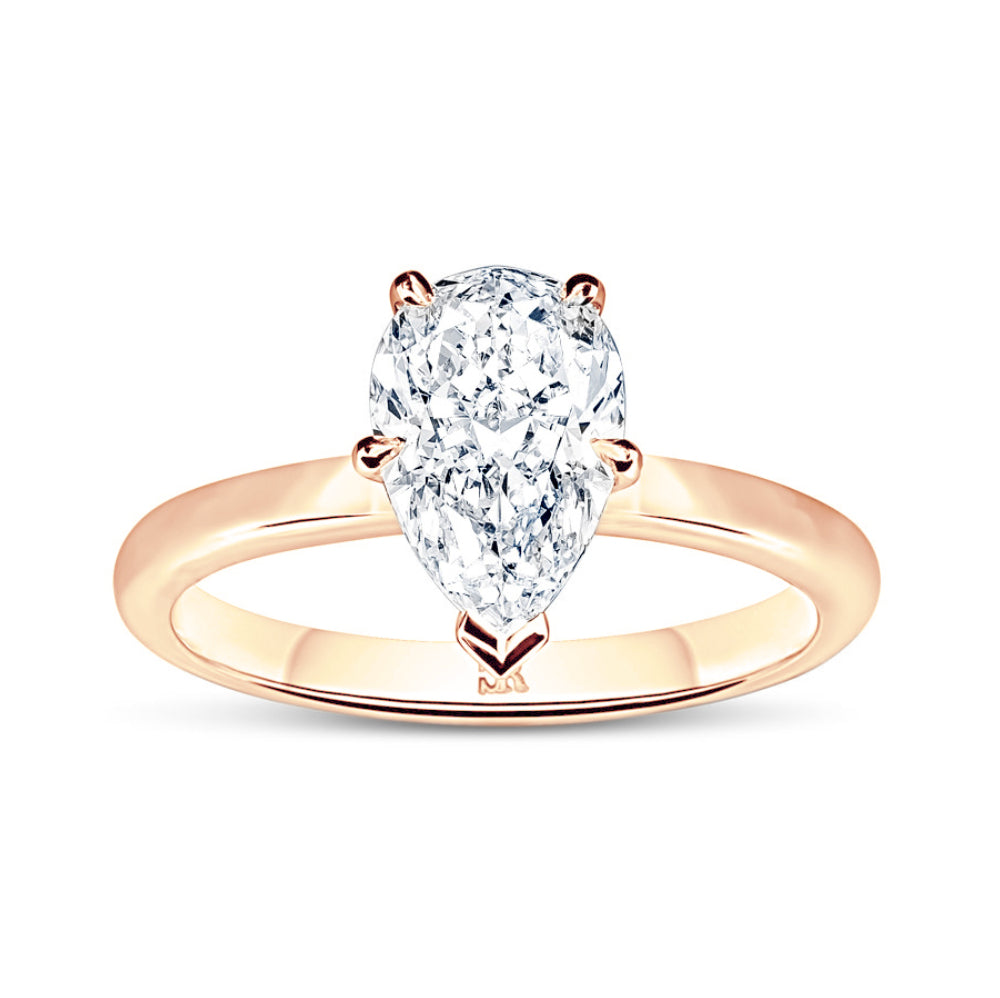
You're viewing 2 of 2 products
Which Way Should a Pear-Shaped Diamond Be Worn?
There is no set answer for how a pear-shaped diamond should be worn. Some people prefer to wear their pear-shaped diamonds with the point facing up, while others find that wearing the diamond with the point facing down is more flattering as it elongates the look of your finger.
Traditionally, the point faces the fingertip, but personal preference and hand anatomy matter. Try both orientations to assess balance of the shoulders, overall alignment on your finger, and of course the comfort of long-wears.
Are Pear-Cut Diamond Engagement Rings More Expensive Than Round Diamond Engagement Rings?
Price will generally be higher for round-cuts. Typically, pear-cuts will also retain more of the original rough, ensuring that price is ultimately lower per carat than rounds. Final price still depends on carat, colour, clarity and cutting quality, though; well-proportioned pears with minimal bow-tie and excellent symmetry command premiums.
Which setting is best for protecting the tip of pear cut engagement rings?
Optimal settings for pear cut diamond rings protect the delicate tip and showcase the curve-to-point shape. A V-claw or partial bezel over the tip is great here! Two or more additional claws secure the rounded end without blocking light, in this case, while also protecting the conspicuous tip from being overly exposed. At Charles Rose, each setting is hand-crafted to the diamond’s exact dimensions, with claw angles calibrated to reduce snagging and maximise brilliance.
Do pear shaped diamond rings show a bow-tie effect, and how can I minimise it?
Many pear cut diamonds, like oval shaped diamonds, show a “bow-tie” shadow across the centre. Not all bow-ties are necessarily a negative, though; a slight bow-tie can add a flattering contrast, while a pronounced dark band can reduce the brilliance of the diamond’s sparkle. Minimising it depends on cut quality: more balanced pavilion angles, appropriate depth and table, and precise symmetry. Certification helps assess overall make, but bow-tie must be judged in person.